

I have been following these folks when they first started turning over rocks not long ago. I have seen the decline in insect life on the Madison River over the last 50 years, especially the big bug, Pteronarcys Californica, the salmon fly. It’s not just fishing guide jive talk or an old man blubbering. It’s real. I saw the scrub willows between McAtee and Varney solid black with salmon flies in the 1970s…the banks alive with blackbirds and robins and kingbirds and grackles feasting…hopping and pecking and flying away with breakfast lunch and dinner all in one meal. I saw rafts of California Gulls on gravel bars gorging themselves on the big bugs in the 1980s. I saw the tall grass above the cutbanks below Varney crawling with bugs in the 1990s…egg-laden females struggling to stay airborne before dropping their load into the swift currents of the Maddy. I have laid down on the bank on my back and looked high up above to see clouds of salmon flies soaring and swirling in some kind of eerie airborne ballet that made no sense…thousands of them. I have watched helpless salmon flies slip off the branches of water birch and alder below Eight Mile Ford fluttering their glassy wings trying to make it back to shore, only to be annihilated in a spray of foam by an angry brown trout of unusual size. I have posted fly anglers in the middle of the Shewmaker Ditch above the headgate, having them work upstream casting Sofa Pillows* to trout rising to salmon flies along the West bank, watching them hook large rainbows that tail-walk and greyhound airborne across the ditch, over the rocks and out into the main river snapping 3x like a pretzel. I have stood for hours casting and mending in the riffles and seams of the Rail Fence Hole, The Snag Hole and the Million Dollar Hole, watching trout of all sizes busting the surface, free rising to salmon flies like tuna fish crashing bait balls in the ocean.
Not anymore.
Like the green drakes of the Railroad Ranch and Odell Creek, the salmon flies are disappearing. They are almost non-existent now on the Lower Madison. I recently had a chat with Jackson Birrell, one of the founders of the Salmonfly Project. You can tell his aim is true. He and his crew are on to something big. The implications are far-reaching. Trout eat insects. Without insects, trout die. It’s about that simple. But Jackson and his group could easily starve to death and disappear without financial support. I am calling on The Madison River Foundation to get on board in a big way. What better way to show support for the Madison River in your own back yard? These people are on the right track. Science rules.Write them a big, fat check and let them cook. It might be the most important investment you ever make.
Walk The Earth. RB
* I call every salmon fly dry pattern “sofa pillow.” Fishing them is called “pumping pillows.” It’s much easier than saying “foam bodied. bullet-head, palmer-hackled, down-winged, elk haired, rubber-legged, egg-sucking, trout-slayin’, low-floating son-of-a-gun.”
The Salmonfly Project July 2026 Newsletter
To our friends and community,
July has been an amazing month for The Salmonfly Project. We kicked off our very first Bug Fest at the iconic Three Dollar Bridge on the Madison River. We had an amazing turnout and were able to meet so many friends, old and new. Thank you to everyone who made this event possible, including our incredible brand sponsors and fly tiers. Shortly after Bug Fest, we had also held our first angler entomology clinic on the Big Hole River with Save Wild Trout and finished collecting data for our Montana-wide salmonfly assessment with Lillard Fly Fishing. We are excited to provide our community with more opportunities to learn about aquatic insects and collect data with us in the upcoming weeks. Read on to find out how to get involved! None of our work would be possible without the generous support from our community – you! Your contributions are essential to our mission of protecting aquatic insects, ensuring vibrant hatches, and safeguarding rivers and streams for generations to come. Donate today!July Highlights  SFP’s Inaugural Bug FestThank you to everyone who came out to Bug Fest at Three Dollar Bridge on the Madison River this past weekend. We had an estimated 110+ attendants and spent the day teaching people about aquatic entomology and how to improve their angling by matching the hatch. During the event, we had three entomologists (Maggie Huemann, Ms, James Frakes, Ms and Jackson Birrell, PhD) teach participants how to collect and identify aquatic insects and understand how they become available to trout as they move through their life cycles. SFP’s Inaugural Bug FestThank you to everyone who came out to Bug Fest at Three Dollar Bridge on the Madison River this past weekend. We had an estimated 110+ attendants and spent the day teaching people about aquatic entomology and how to improve their angling by matching the hatch. During the event, we had three entomologists (Maggie Huemann, Ms, James Frakes, Ms and Jackson Birrell, PhD) teach participants how to collect and identify aquatic insects and understand how they become available to trout as they move through their life cycles.We also were fortunate enough to have three fly fishing legends come and tie flies while answering questions and sharing their philosophies on matching the hatch. Thank you so much to Craig Mathews, Kelly Galloup, and Rick Wollum for imparting your wisdom and genius on us all! Bug Fest would not have been possible without the help of SFP’s Board of Directors; Mike, Renee, Maggie, Brenna, Kyle, Rick, and Ryan were all integral in planning and running this event. We also would like to thank our event sponsors, Patagonia, Big Sky Anglers, West Yellowstone Foundation, Montana Fly Company, Fulling Mill, Galloup’s Slide Inn, Madison River Fishing Company, Yellow Dog Fly Fishing, and Map Brewing. Did you miss out this year? Don’t worry, we plan to be back on the Madison River next summer for another Bug Fest. This year was a massive success, and we already have ideas on how to improve the event to make it even more fun, educational, and impactful. The more people that care about and connect with hatches, the more we will be able to protect them. We hope to see you all there!Big Hole Entomology Clinic  The entomology party continued after Bug Fest at our first angler entomology clinic on the Big Hole River. This was one of the first rivers that we worked in The Salmonfly Project and it was great to be back. Despite good flows, the Big Hole was warm, with impending hoot owl restrictions – a perfect time to put the rods away and learn about the river’s special hatches. Participants had great questions about fly section for different insect life stages, and Brian Wheeler from Save Wild Trout gave fantastic insight into the unique conservation challenges and opportunities facing the Big Hole River. For this clinic, participants came from all over – from nearby Dillon, Montana to Dawsonville, Georgia. We even had a biker who was doing the Great Divide trail stop on their lunch break and participate. The entomology party continued after Bug Fest at our first angler entomology clinic on the Big Hole River. This was one of the first rivers that we worked in The Salmonfly Project and it was great to be back. Despite good flows, the Big Hole was warm, with impending hoot owl restrictions – a perfect time to put the rods away and learn about the river’s special hatches. Participants had great questions about fly section for different insect life stages, and Brian Wheeler from Save Wild Trout gave fantastic insight into the unique conservation challenges and opportunities facing the Big Hole River. For this clinic, participants came from all over – from nearby Dillon, Montana to Dawsonville, Georgia. We even had a biker who was doing the Great Divide trail stop on their lunch break and participate.Thanks to Save Wild Trout, The Big Hole Lodge, and the Chuck Robbins Chapter of Trout Unlimited for sponsoring this event.Montana-wide salmonfly surveys |
 Over the last year, we have been working hard to quantify long-term changes in salmonfly populations across Montana. This month, we finally finished our data collection. In collaboration with Lillard Fly Fishing, we sampled salmonflies across the Blackfoot, Little Blackfoot, and Yellowstone Rivers to compare how current populations compare with those sampled in the past. These final samples will soon be integrated into our salmonfly trend analyses, along with hundreds of other salmonfly data points across the state. We look forward to publishing these results soon to spur additional awareness about salmonfly declines and suggest a State Conservation Status Rank for this special species in Montana. We will then move on to doing similar state-wide assessments for other species in Montana and beyond. Over the last year, we have been working hard to quantify long-term changes in salmonfly populations across Montana. This month, we finally finished our data collection. In collaboration with Lillard Fly Fishing, we sampled salmonflies across the Blackfoot, Little Blackfoot, and Yellowstone Rivers to compare how current populations compare with those sampled in the past. These final samples will soon be integrated into our salmonfly trend analyses, along with hundreds of other salmonfly data points across the state. We look forward to publishing these results soon to spur additional awareness about salmonfly declines and suggest a State Conservation Status Rank for this special species in Montana. We will then move on to doing similar state-wide assessments for other species in Montana and beyond.Big thanks to Lillard Fly Fishing for helping us collect salmonflies in the field, along with Montana Trout Foundation, Joe Brooks Chapter of Trout Unlimited, Madison Gallatin Chapter of Trout Unlimited, Yellow Dog Community & Conservation Foundation, and Western Montana Conservation Commission for funding the project. Thanks, Ben Pierce, for the photo above. |
Upcoming Angler Entomology Events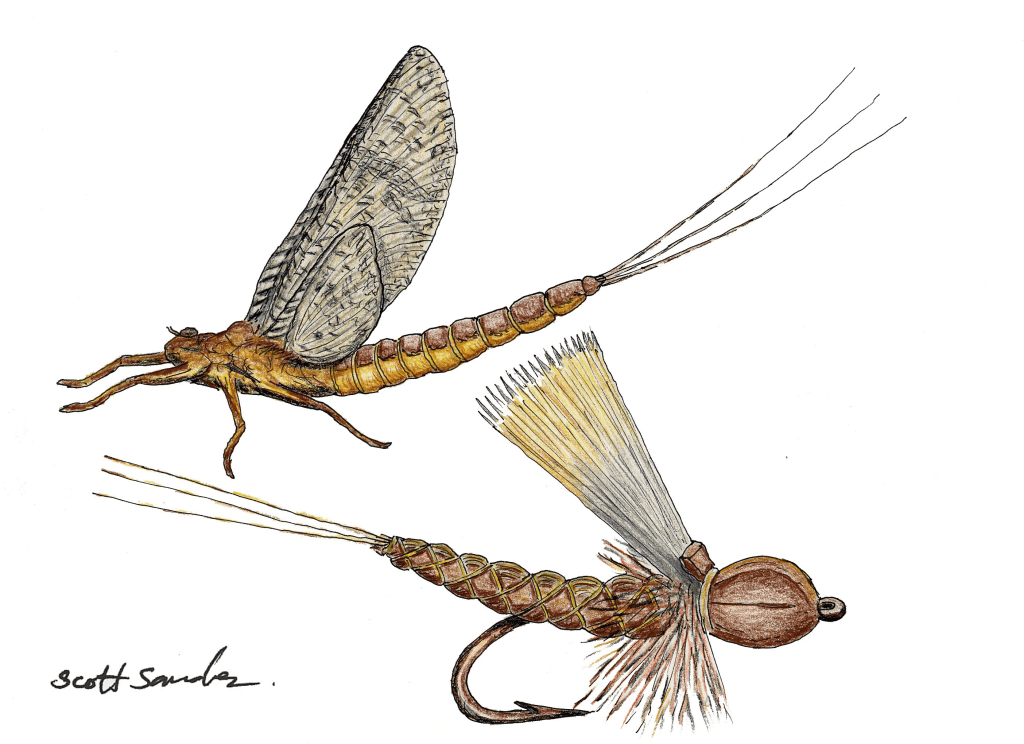 The learning continues with more angler entomology events and volunteering opportunities. Come learn about aquatic insect biology, conservation, and how matching the hatch can improve your angling! The learning continues with more angler entomology events and volunteering opportunities. Come learn about aquatic insect biology, conservation, and how matching the hatch can improve your angling!Lower Blackfoot River Entomology Clinic – August 4th6PM – 9PMAngevine Fishing Access, V6WP+JP, Bonner, MTThis event is free, but donations are encouraged.Held in partnership with The Blackfoot ChallengeRSVP here. Yellowstone River Entomology Clinic – August 20th2PM-5PM Meet at Angler’s West Fly Shop – 206 Railroad Ln Emigrant, Montana 59027; we’ll proceed to a nearby fishing access spot for thereThis event is free, but donations are encouraged.Held in partnership with Montana Freshwater PartnersRSVP here. Gallatin River Entomology Clinic – August 25th6 PM – 9 PMGallatin River Guides – 47430 Gallatin Rd, Big Sky, Montana$25 feeHeld in partnership with Gallatin River Task Force and Gallatin River GuidesRSVP here. Gallatin River Macroinvertebrate Surveys – August 24th-29th10 AM – 5 PMAssorted sites throughout the upper Gallatin RiverReach out to Jackson as jackson@salmonflyproject.org learn more and sign up. Useless Bug Facts! 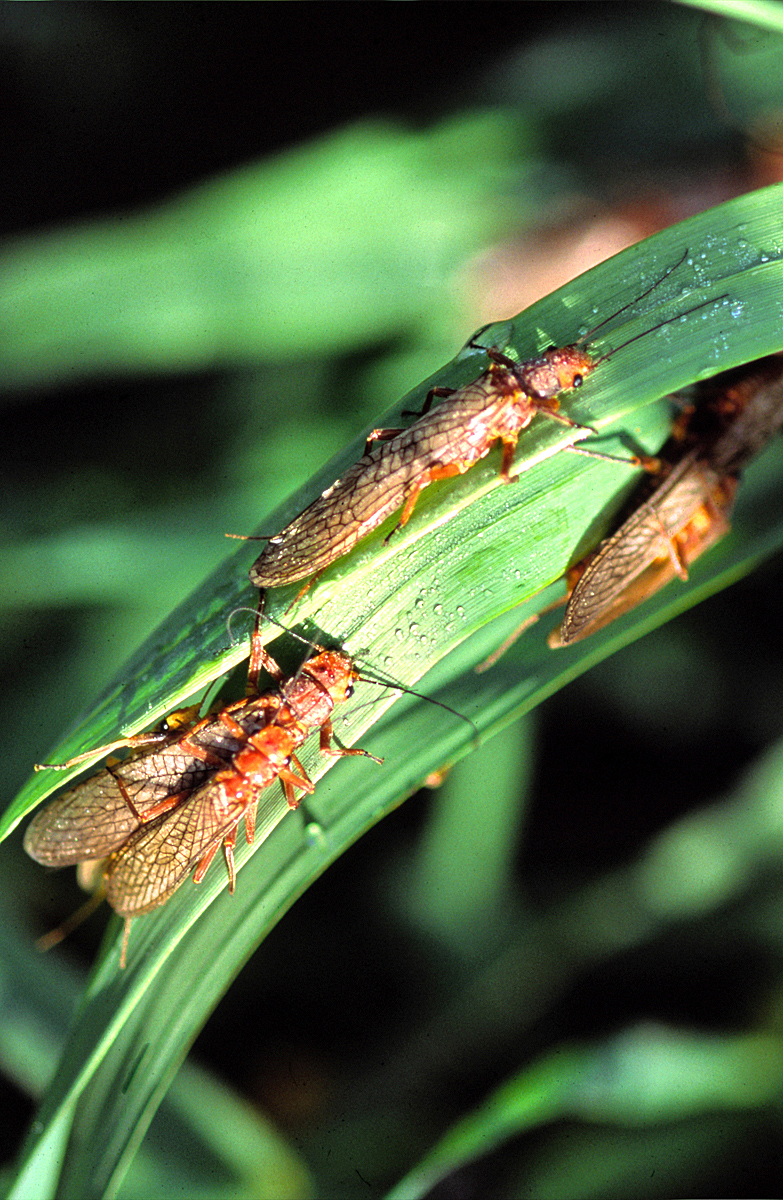 At The Salmonfly Project, we teach anglers entomology to help them better match hatches. However, there are so many amazing things to learn about aquatic insects that have limited – to absolutely zero – practical applications in fly fishing. In this reoccurring column, we share fascinating information about the physiology, ecology, and behavior of aquatic insects just for kicks! Useless? Probably. Interesting? Absolutely! At The Salmonfly Project, we teach anglers entomology to help them better match hatches. However, there are so many amazing things to learn about aquatic insects that have limited – to absolutely zero – practical applications in fly fishing. In this reoccurring column, we share fascinating information about the physiology, ecology, and behavior of aquatic insects just for kicks! Useless? Probably. Interesting? Absolutely!Useless Bug Facts: Stoneflies Drum for DatesWe’re now in late summer, and most of the year’s stonefly hatches have come and gone. As we reminisce about thick swarms of fat-bodied stoneflies clumsily fluttering through the willows, have you ever wondered how these awkward insects actually find a mate? Other insects generally take to the skies. Mayfly males gather in dancing aerial swarms, using their oversized eyes to spot females flying overhead. A male intercepts and grasps a passing female, and the pair usually mates in flight or shortly after landing nearby. Caddisflies use a wider assortment of strategies. Many males fly actively in swarms, patrol streamside vegetation, or follow chemical scents released by females. Pairs then mate on nearby vegetation or while linked together in flight. Stoneflies, on the other hand, are generally not known as graceful fliers. Fortunately, they have another trick: they drum. A male stonefly perched on a branch, log, or rock taps his abdomen against the surface, sending vibrations through it. Specialized vibration-sensing tissues, called subgenal organs, just below their knees detect the tiny pulses traveling through the substrate. If a receptive female is nearby, she answers with a drumming signal of her own. The male calls again, the female responds, and the two begin a tiny percussion duet. By repeatedly drumming and listening for her reply, the male can gradually work his way across the surface toward her—essentially playing an insect version of Marco Polo. This is not random tapping. Different stonefly species produce distinctive patterns that vary in the number of beats, the spacing between them, and the timing of the female’s response. These species-specific rhythms help females recognize an appropriate mate and avoid answering the wrong kind of stonefly. To us, the performance is usually silent. But to a stonefly standing on the same branch, the vibrations carry a clear message: “I’m here, I’m the right species, and I’m looking for love.” You can even find recordings of stonefly drumming online. They sound less like a romantic serenade and more like someone quietly tapping a pencil on a desk—but apparently, if you are a stonefly, that is enough to set the mood. So, when the big stoneflies hatches of next summer roll around, take some time to search for tapping stoneflies. It’s not too hard to notice when you know what to look for. You’ll probably start noticing males drumming on your boots and waders! Salmonfly Project MembershipsDid you know that when you donate to The Salmonfly Project you become a member? We have 6 tiers of membership levels, each with their own unique membership benefits. Every contribution directly advances our conservation programs. Donate today at salmonflyproject.org/donate.Become a MemberThank you.We recognize that it is through the kindness and generosity of supporters like you that we can continue making a positive impact on our precious streams and rivers. Thank you for your partnership – together, we can save the hatch! Sincerely,Jackson Birrell & James Frakes – Co-Founders Unsubscribe | Manage your subscription PO Box 216 Missoula, MT 59806 conservation@salmonflyproject.org |